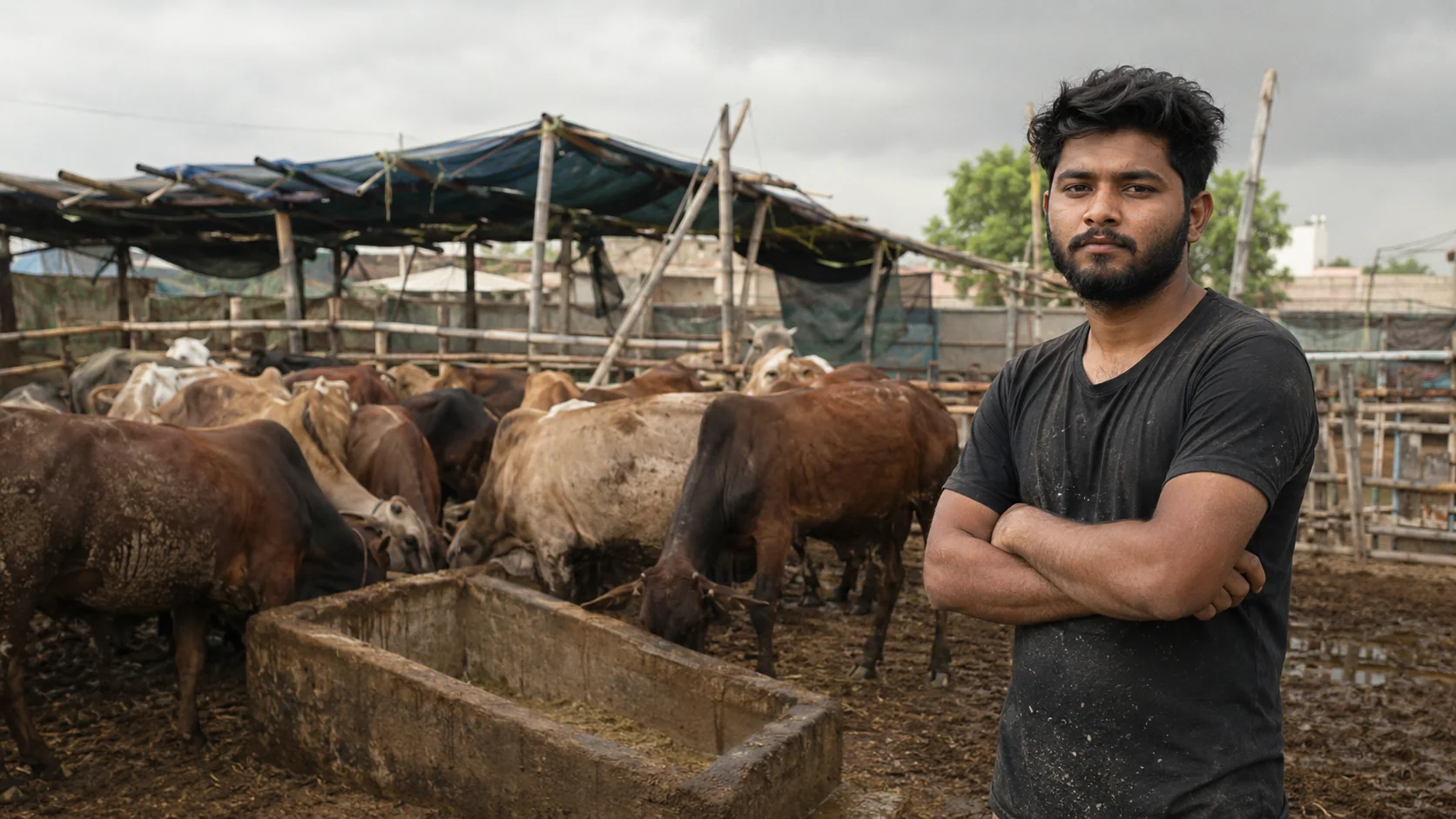
Why My First Cattle Beef Farming Business Failed
- Shehroz Afzal
- 09 Mins read
Beef cattle farming can make money. People run fattening operations, backgrounding programs, and full feedlots that turn a profit year after year. I am not writing this to say the industry is a scam or that cattle are a bad investment.
I am writing it because my first attempt at a short-term beef fattening business failed, and the failure was almost entirely mine. Wrong animals. Wrong order of operations. Wrong assumptions about how simple it would be.
If you are thinking about buying a few head, feeding them, and selling to a slaughterhouse when they look “big enough,” read this first. I believed that story too.
The side hustle that sounded too easy
I got interested in beef farming the way a lot of people do now: by reading online content.
The pitch was always the same shape. Buy cattle. Feed them. Let them gain weight. Sell them to a buyer or slaughterhouse. Pocket the difference. It was framed like a side hustle you could run on weekends, as if the hard part was finding animals and the easy part was watching them eat.
Nobody in those posts talked about placement weight, feed conversion, bunk space, mud, or what happens when you carry small animals for four extra months while feed prices climb. They showed a finished steer on a trailer and implied the middle was boring.
I treated it like boring. That was mistake number one, and I had not even bought an animal yet.
Day 1: animals before everything else
I had no proper farm setup.
No real shelter. No feeding system that could keep peace in the pen. No fencing I trusted for animals that had just arrived stressed and jumpy. No hired help. No routine written down anywhere.
My first real decision was still to buy cattle.
Looking back, that order is almost funny. I would not open a restaurant by hiring cooks before building a kitchen. I did the livestock version anyway because I was impatient and because the seller had animals available that week.
We brought home fifteen head. I remember standing in the yard after the truck left, feeling like I had crossed some line into “real farming,” and also noticing within about ten minutes that we had nowhere good to put them.
Fifteen head, all too small
The weight problem did not hit me on day one. It hit me when I started comparing what I had bought to what experienced farmers in the area said they would buy for the same type of business.
Most of my cattle were under 150 kg. Some were under 100 kg. They were young. They looked “fine” to me because I did not know what fine meant for a fattening cycle.
Here is the lesson I paid for in feed bills:
For a short-term beef fattening operation, buying animals under roughly 200 kg can be an expensive mistake. Young cattle prioritize skeletal growth first. They need frame before they stack meat the way a finisher does. So they eat every day. You pay for that feed. But the rapid weight gain you are imagining, the kind that makes the math work on a 90- or 120-day turn, is not there yet.
I was running a business model that assumed quick gain on animals that were biologically on a slower clock.
If I had tracked weights properly from the start, something I did badly at first, our Average Daily Gain calculator would have told the same story the scale eventually did: progress, just not fast enough to rescue my timeline.
Chaos after the truck left
We did not have individual feeding space. All fifteen cattle ate from one large feeding area.
That sounds efficient until you watch it. Dominant animals bully the rest. Shy animals hang back. Some barely get their ration. You tell yourself they are all eating “enough” because the trough empties, but empty troughs do not mean fair intake.
Water was another patch job. We had a system that technically worked: hoses, containers, refills by hand. It was not wrong. It was just far from ideal for fifteen head in heat, and later, in mud.
Shelter was worse. We had tarpaulins tied together over posts. When the wind picked up, the tarps flapped and scared the cattle. When it rained, water pooled at the edges. When the sun was brutal, shade was uneven.
I was doing feeding and watering myself at the start because we had no staff. My day stopped being “check the animals” and became a loop: haul feed, break up fights at the trough, refill water, patch tarps, repeat.
The simple business model in my head had been: buy, feed, sell.
The real model was: buy, then become a construction worker, referee, and logistics coordinator, then feed, then hope.
Tarps, bamboo, and slow improvements
The tarps tore constantly. We repaired them until repairing felt like a part-time job.
Eventually we built a bamboo shelter. It helped. Animals had a more stable place to get out of direct rain and sun. It was not pretty. It was not what I would build again. But it was better than flapping plastic every afternoon.
Over the following months we hired help, split feeding so cattle were not all competing in one pile, improved water access, cleaned pens on a schedule, and started measuring feed instead of guessing scoops.
Those changes mattered. The cattle gained weight. I could see it when we weighed occasionally. Morale on the farm improved because we were not only reacting to emergencies.
I want to be clear: we were getting better at operating. The problem was that “better” was still slower than the business plan required, because the plan had started with the wrong animals and the wrong timeline.
When it finally felt like it might work
There was a stretch where I let myself believe we had turned a corner.
Weight was moving in the right direction, even if average daily gain was below what profitable finishers talk about. Pen condition was more manageable. We had people. Feed was measured. I could sleep without dreaming about torn tarps.
I started doing rough break-even math in a notebook, the kind of math I should have done before purchase. Our livestock break-even calculator does the same thing with less ego involved. My numbers said that if we sold at a decent price within a reasonable window, we might get out close to even.
“Close to even” was the victory I was aiming for by then. That should have warned me.
A week of rain
Then we got rain that did not stop for a week.
The ground turned to soup. Standing water sat in places that had been dry two days earlier. The cattle looked miserable. Hooves in wet ground all day is not just an comfort issue; stressed cattle eat differently, move less, and burn energy on maintenance instead of gain.
Everything we had improved still existed. The bamboo shelter helped. The feeding routine helped. But mud has a way of undoing optimism.
I walked the pen one evening, boots heavy, counting how many days we had left in the season, and felt the shift from “we are building something” to “we are running out of runway.”
Selling locally, keeping the wrong animals
We started selling some animals locally before we were fully ready, partly to reduce pressure on the pen and partly because buyers appeared.
Some went for wedding feasts. Some went to other small farms starting their own projects, which I understood more than I wanted to. Each sale helped cash flow and lowered feed demand.
The youngest animals stayed.
That is the part that hurt the math quietly, day after day. The cattle we sold brought in money. The cattle we kept, especially the smallest, ate as if they were about to pay us back tomorrow. They were not. They were consuming feed and labor faster than they were creating value.
Profit from the sold animals did not sit in my pocket. It got eaten, literally, by the cost of keeping the remainder alive and gaining weight slowly.
I started running totals: purchase cost, cumulative feed, labor, shelter materials, repairs, transport. Our cattle cost calculator would have made the trend obvious earlier. I was doing it late, which is how you confirm a loss instead of preventing one.
The moment I knew I was going to lose money
There was a specific afternoon when I stopped pretending.
Even if I sold every remaining animal at a “reasonable” local price, the youngest ones had already burned too many days and too much feed. The gap between what I needed per head and what the market would pay was not closing. Rain, slow gain, and carrying cost had stacked on top of a bad purchase decision from month one.
I was not going to salvage a win. I was choosing between a smaller loss now or a larger loss later.
That is a different kind of stress than startup optimism. Nobody posts about it on the same forums that got me excited.
Closing out at the slaughterhouse
We sold the remaining cattle to a slaughterhouse buyer and took the price on offer.
I sat down with every receipt I could find and built the final picture:
- Animal purchases at the start, including the too-light cattle
- Feed, month after month, including waste and uneven intake
- Labor, once we hired, plus my own time I was not counting fairly at first
- Shelter: tarps, bamboo, repairs, hardware
- Miscellaneous: transport, medicine, small tools, things that do not feel expensive until you add them up
After everything, I lost nearly half of what I had originally put into the venture.
I will not pretend I have every regional price memorized for your market. Your feed cost per bag, your local buyer, your breed, your season will change the exact number. The shape of my failure will still look familiar if you repeat the same mistakes: long carry, young placement weight, weak infrastructure, optimism in place of a margin spreadsheet.
I found Cattly online, but it was too late for that farm
After we sold the last animals, I went looking for answers the way you do when you are embarrassed and curious at the same time. I searched for cattle record keeping, profit tracking, anything that would help me see where the money actually went.
That is how I found Cattly.
For the failed fattening run, it was too late. The cattle were gone. The loss was already real. I still signed up because I wanted to understand how bad the numbers were, not guess from a notebook with coffee stains on it.
Using the app was a strange experience. On one hand, it calculated my profit and loss in a way I should have had from week one: purchases, feed, expenses, sales, all in one place instead of scattered receipts. On the other hand, it showed me how far behind I was compared to how modern farms operate. People I now talk to log weights, track cost per head, and know their break-even before they buy. I was rebuilding tarps and calling that “farm management.”
I learned a lot from the Cattly site and the app after the fact. Articles on ADG, calculators for break-even and feed costs, and the habit of recording what happened on the day it happened, not three months later when you are trying to explain a loss to yourself. None of that rewinds my first business. It does change how I think about the next one.
If you are starting a cattle business, or you are already in one and still running on memory and paper, I think you should at least look at Cattly. It is free for everyone right now, which matters when you are already nervous about margins. You do not need another subscription eating into a thin profit.
I am not saying software fixes bad animal purchases or mud. It does not. What it does is make it harder to lie to yourself about whether you are making money. That would have helped me pull the plug earlier, or never buy fifteen light cattle with no pen ready.
If you want a walkthrough of setup, read Getting Started With Cattly. If you are mid-season and still guessing, open the app before the next truck shows up. I wish I had found it on day one instead of after the slaughterhouse buyer left.
Try Cattly free — no credit card required while the free tier is open to everyone.
What I would tell myself before day one
The business was not the problem. Cattle beef farming is not a magic scam. It is also not a weekend hobby with guaranteed margins.
My failure came from:
Starting without infrastructure. Animals need shelter, water, and feeding logistics that match how cattle actually behave in a group. I bought first and built while learning, which is the most expensive classroom I have found.
Buying the wrong animals for the model. Short-term fattening needs animals close to finishing weight, not calves that still want to grow bone. Under 200 kg at purchase cost me feed with delayed return.
Underestimating operating cost and time. Feed is not optional. Labor is not free because you do it yourself. Rain is not a footnote. Days on feed matter as much as purchase price, something feedlot people know and first-timers learn late.
Carrying unproductive animals too long. The smallest cattle were a daily leak. Selling some animals helped, but keeping the wrong ones erased the benefit.
I am more careful now about records, weights, and cost per head. Cattly, plus tools like feed conversion tracking, would not have saved that first venture by themselves if I still bought the wrong cattle and skipped shelter. They would have killed my denial sooner, and that alone might have changed the outcome.
If you are starting out, do the boring work before the truck arrives. Run the numbers when you are calm, not when a seller is on the phone. Walk a pen that already works and ask what it cost to build.
I lost money. I also learned things I would not trade for a motivational quote. The industry did not fail me. My planning did.
Related resources
Frequently Asked Questions
Is cattle beef farming actually profitable?
It can be, when placement weight, feed conversion, days on feed, and selling price line up. My first attempt failed because I bought animals that were too young, had no proper facilities, and ran costs longer than my margin could support. The model works for experienced operators who control those variables.
What weight should you buy cattle for a short-term fattening business?
For a finishing or fattening cycle where you need meat on the animal quickly, many operators target cattle at roughly 200 kg (about 440 lbs) or heavier at purchase. Animals under that weight often put feed into frame growth before you see the daily gain you are paying for.
What is the biggest mistake first-time cattle farmers make?
Buying animals before building the operation. I bought 15 head with no shelter, no feeding system, no fencing plan, and no labor. Everything after that was damage control. Infrastructure and the right placement weight should come before the first truck unload.
How much money can you lose on a small cattle fattening operation?
In my case, after purchase price, feed, labor, shelter repairs, and selling the remaining animals to a slaughterhouse, I lost close to half of what I put in. Your number depends on head count, local feed costs, and how long you carry unproductive animals.
Ready to Stop Losing Records?
Join 500+ ranchers managing healthier herds with free cattle management software. No credit card — just better records.