Cattle Weight Tracking Software - Monitor Growth & Maximize Profits in 2026
- Cattly Editorial Team
- 09 Mins read
Guessing cattle weights is costing you money. Without accurate weight data, you’re flying blind on feed efficiency, missing optimal sale windows, and letting underperforming animals drain your profits.
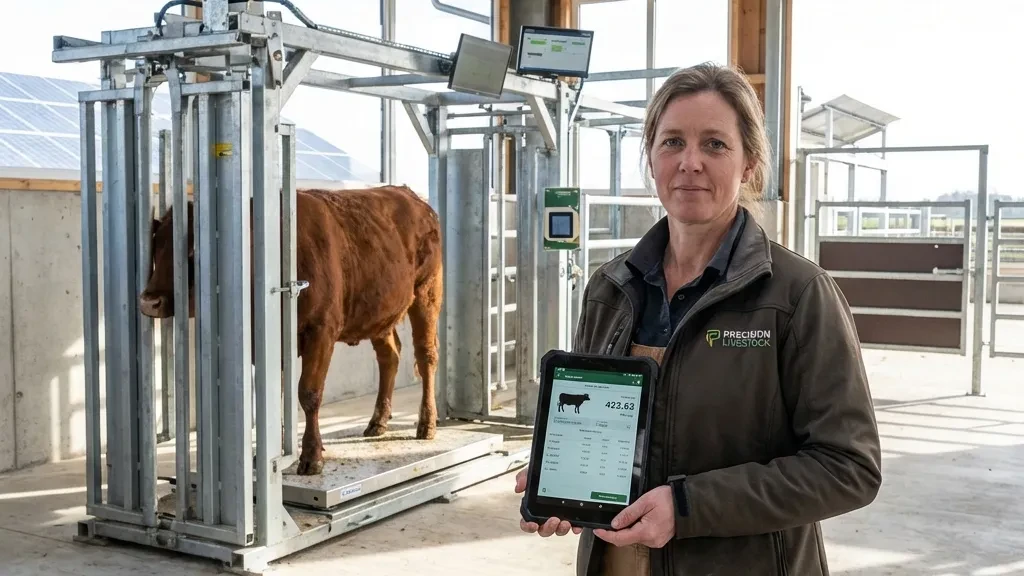
Cattle weight tracking software transforms weight management from guesswork into data-driven decision making. By digitally recording and analyzing weight data, ranchers can optimize feeding programs, identify health issues early, and maximize returns at sale time—all from a smartphone or tablet.
This comprehensive guide explores how cattle weight tracking software works, what features to look for, and how to choose the right solution to boost your operation’s profitability in 2026.
Why Digital Weight Tracking Beats Paper Records
Traditional weight tracking methods—notebooks, spreadsheets, or memory—create costly inefficiencies that modern ranchers can’t afford.
The Hidden Costs of Manual Weight Tracking
Paper-based weight records create problems:
- Calculation Errors: Manual ADG calculations are time-consuming and error-prone
- Lost Data: Misplaced notebooks or damaged records mean lost historical data
- No Trend Analysis: Impossible to spot patterns across multiple animals or time periods
- Delayed Decisions: By the time you notice a problem, you’ve lost weeks of potential gain
- No Benchmarking: Can’t compare individual animals to herd averages or industry standards
What Cattle Weight Tracking Software Delivers
Modern digital solutions provide:
- Automatic Calculations: Instant ADG, total gain, and projected weights
- Trend Visualization: Charts and graphs showing growth curves over time
- Performance Alerts: Notifications when animals fall below target growth rates
- Comparative Analytics: Benchmark individuals against herd averages and goals
- Historical Records: Complete weight history for every animal, accessible in seconds
- Integration: Connect weight data with feed costs, health records, and breeding information
Learn how to calculate and optimize growth rates: Average Daily Gain (ADG) - How to Measure and Improve.
Key Benefits of Cattle Weight Tracking Software
1. Optimize Feed Efficiency & Reduce Costs
The Impact: Feed represents 50-70% of cattle production costs. Weight tracking software helps you optimize every dollar spent.
How It Works:
- Track weight gain relative to feed consumption
- Calculate Feed Conversion Ratio (FCR) automatically
- Identify animals with poor feed efficiency for culling decisions
- Adjust rations based on actual performance data, not estimates
Real-World Result: Ranchers using weight tracking software report 8-15% improvement in feed efficiency by identifying and addressing underperformers early.
Maximize your feed ROI with our Feed Conversion Ratio Calculator.
2. Identify Health Issues Before They’re Visible
The Impact: Weight loss is often the first indicator of illness—days before visible symptoms appear.
How It Works:
- Software flags sudden weight drops or stagnant growth
- Alerts notify you when animals fall below expected weight curves
- Early detection allows intervention before conditions worsen
- Track recovery progress after treatment
Real-World Result: Early detection of health issues through weight monitoring can save $50-200 per animal in veterinary costs and lost productivity.
3. Maximize Sale Timing & Market Returns
The Impact: Selling cattle at optimal weight windows maximizes price per pound and overall profitability.
How It Works:
- Project when animals will reach target weights
- Plan sales based on actual growth rates, not guesswork
- Avoid discounts for underweight or overweight animals
- Time sales to match favorable market conditions
Real-World Result: Selling at optimal weights can increase returns by $75-150 per head compared to selling too early or too late.
4. Make Data-Driven Breeding Decisions
The Impact: Genetic selection based on actual performance data improves herd quality over generations.
How It Works:
- Track offspring performance from specific sires and dams
- Identify genetics that produce consistent high performers
- Cull breeding stock with poor progeny performance
- Select replacement heifers based on growth data, not appearance
Real-World Result: Data-driven breeding selection can improve herd ADG by 0.1-0.3 lbs/day within 3-5 years.
5. Simplify Record Keeping & Compliance
The Impact: Accurate weight records support quality assurance programs and buyer requirements.
How It Works:
- Automatic documentation of all weight events
- Export weight records for certification programs (NHTC, age/source verification)
- Provide buyers with documented performance data
- Support premium marketing programs requiring weight documentation
Essential Features in Cattle Weight Tracking Software
1. Multiple Weight Entry Methods
Must-Have Capabilities:
- Manual Entry: Quick input for traditional scale readings
- Scale Integration: Automatic data capture from digital scales (Bluetooth, WiFi, USB)
- Bulk Import: Upload multiple weights from CSV files
- Mobile Entry: Record weights in the field via smartphone/tablet
Why It Matters: Flexibility in data entry ensures you can capture weights regardless of your equipment setup.
2. Automatic Growth Calculations
Essential Metrics:
- Average Daily Gain (ADG): Pounds gained per day between weighings
- Total Gain: Cumulative weight increase since birth or purchase
- Projected Weights: Estimated future weights based on current growth rates
- Days on Feed (DOF): Time since entering feeding program
- Feed Conversion Ratio (FCR): Pounds of feed per pound of gain
Advanced Analytics:
- Growth curve visualization
- Comparison to herd averages
- Percentile rankings within groups
- Seasonal trend analysis
Calculate ADG manually to verify your software’s accuracy: Average Daily Gain (ADG) Calculator.
3. Visual Data Presentation
Critical Visualizations:
- Individual animal growth curves
- Group/pen average comparisons
- Weight distribution histograms
- Performance trend dashboards
Why It Matters: Visual data makes it easy to spot trends, outliers, and opportunities at a glance—no spreadsheet analysis required.
4. Performance Alerts & Notifications
Smart Alerts Should Include:
- Animals below target growth rates
- Sudden weight drops indicating potential health issues
- Animals approaching target sale weights
- Scheduled weigh dates coming up
- Underperforming groups or pens
Customization: Set your own thresholds based on your operation’s goals and standards.
5. Integration with Other Records
Key Integrations:
- Health Records: Correlate weight performance with treatments and vaccinations
- Feed Data: Track feed costs against weight gain for profitability analysis
- Breeding Records: Link offspring performance to parents
- Financial Tracking: Calculate cost of gain and profit per animal
Why It Matters: Isolated weight data is useful, but integrated data drives comprehensive management decisions.
6. Offline Functionality
Non-Negotiable Requirement: Most weighing happens in remote locations without reliable internet.
Must-Have Features:
- Full offline weight entry and viewing
- Automatic sync when connection returns
- No data loss during offline periods
Top Cattle Weight Tracking Software Solutions (2026)
Cattly - Best All-in-One Solution
Pricing: Free tier available, Premium from $29/month
Platform: iOS, Android, Web
Scale Integration: ✅ Bluetooth, WiFi scales
Standout Features:
- Comprehensive weight tracking with automatic ADG calculations
- Visual growth curves and performance dashboards
- Integration with health, breeding, and financial records
- Offline capability for field use
- Customizable performance alerts
- Team collaboration with unlimited users
- Export weight data for compliance and sales
Best For: Small to large operations wanting integrated herd management with strong weight tracking
Limitations: Advanced multi-location features require premium tier
Start tracking cattle weights for free →
CattleMax - Detailed Record Keeping
Pricing: $199/year or $19.95/month
Platform: Windows, Mac, Web
Scale Integration: ✅ USB, serial port scales
Standout Features:
- Extremely detailed weight history tracking
- Powerful custom reporting engine
- Financial analysis with cost of gain calculations
- Extensive scale compatibility
Best For: Operations with existing digital scales wanting deep analytics
Limitations: Steeper learning curve, limited mobile functionality
Herdwatch - Mobile-First Simplicity
Pricing: Free for basic, Premium from €5/month
Platform: iOS, Android
Scale Integration: ⚠️ Manual entry only
Standout Features:
- Intuitive mobile interface
- Quick weight entry in the field
- Basic ADG calculations
- Integration with health and breeding records
Best For: Small operations prioritizing ease of use over advanced analytics
Limitations: No automatic scale integration, limited reporting
AgriWebb - Enterprise Analytics
Pricing: Custom enterprise pricing
Platform: iOS, Android, Web
Scale Integration: ✅ Multiple scale brands
Standout Features:
- Advanced analytics and benchmarking
- Multi-location management
- Pasture and grazing integration
- Comprehensive reporting suite
Best For: Large commercial operations with multiple locations
Limitations: Higher cost, may be overkill for small operations
Spreadsheet Solutions (Google Sheets, Excel)
Pricing: Free
Platform: Any device
Scale Integration: ❌ Manual entry only
Standout Features:
- Complete customization
- No subscription costs
- Works offline (Excel)
Best For: Tech-savvy ranchers on tight budgets
Limitations: No automation, manual calculations, no alerts, time-consuming data entry
Feature Comparison Table
| Feature | Cattly | CattleMax | Herdwatch | AgriWebb | Spreadsheet |
|---|---|---|---|---|---|
| Free Option | ✅ | ❌ | ✅ (Limited) | ❌ | ✅ |
| Mobile App | ✅ | ⚠️ | ✅ | ✅ | ⚠️ |
| Offline Access | ✅ | ✅ | ✅ | ✅ | ⚠️ |
| Auto ADG Calc | ✅ | ✅ | ✅ | ✅ | ❌ |
| Scale Integration | ✅ | ✅ | ❌ | ✅ | ❌ |
| Growth Curves | ✅ | ✅ | ⚠️ | ✅ | Manual |
| Performance Alerts | ✅ | ⚠️ | ⚠️ | ✅ | ❌ |
| Health Integration | ✅ | ✅ | ✅ | ✅ | Manual |
| Custom Reports | ✅ | ✅ | ⚠️ | ✅ | ✅ |
| Learning Curve | Easy | Moderate | Easy | Moderate | Hard |
How to Choose the Right Weight Tracking Software
Step 1: Assess Your Current Setup
Questions to Answer:
- Do you have digital scales, or are you using traditional scales?
- How many animals do you weigh regularly?
- How often do you weigh (monthly, quarterly, at key events)?
- Do you need mobile access in the field?
Decision Impact:
- Digital scales: Choose software with scale integration (Cattly, CattleMax, AgriWebb)
- Traditional scales: Any software with easy manual entry works (Cattly, Herdwatch)
- Large herds: Prioritize bulk entry and automation
- Field weighing: Mobile apps with offline capability are essential
Step 2: Define Your Primary Goal
Weight Tracking Goals:
Feed Optimization Focus:
Choose software with strong FCR calculations and feed integration (Cattly, CattleMax)
Sale Timing Focus:
Look for projected weight features and market-ready reports (Cattly, AgriWebb)
Breeding Selection Focus:
Prioritize offspring performance tracking and genetic analysis (CattleMax, Cattly)
Health Monitoring Focus:
Select software with health record integration and weight alerts (Cattly, Herdwatch)
Step 3: Consider Your Budget
Budget Tiers:
$0 - Free Tier:
Start with Cattly free tier or Herdwatch basic for core features
$10-30/month:
Cattly Premium or Herdwatch Premium for small to medium operations
$50-200/month:
CattleMax or AgriWebb for larger operations with advanced needs
ROI Consideration: If weight tracking helps you improve ADG by just 0.1 lbs/day on 100 head, that’s an extra $3,650+ annually (at $2/lb). Any software pays for itself quickly.
Step 4: Test Offline Capability
Critical Test:
- Download the app or software
- Turn off internet/WiFi
- Enter sample weight data
- Verify data saves and calculations work
- Reconnect and confirm sync
Deal Breaker: If it doesn’t work offline, it’s not suitable for ranch use.
Best Practices for Cattle Weight Tracking
1. Establish a Consistent Weighing Schedule
Recommended Frequency:
- Monthly (28-30 days): Standard for most operations
- Bi-weekly (14-21 days): Critical growth periods (backgrounding, finishing)
- Key Events: Birth, weaning, sale, breeding
Why Consistency Matters: Regular intervals provide accurate ADG calculations and trend data. Irregular weighing makes it hard to identify true performance issues.
2. Weigh at the Same Time of Day
Best Practice: Weigh cattle in the morning before feeding.
Why It Matters:
- Reduces variation from gut fill
- Provides more accurate weight comparisons
- Minimizes stress during hot afternoon hours
Impact: Weighing at different times can create 20-50 lb variations that skew ADG calculations.
3. Use Proper Weighing Techniques
Critical Steps:
- Ensure scale is level and calibrated
- Allow cattle to settle before recording weight
- Weigh in similar conditions (dry vs. wet, before vs. after feeding)
- Record environmental factors (weather, stress events)
4. Set Realistic Performance Targets
Industry Benchmarks:
- Nursing calves: 1.5-2.5 lbs/day
- Weaned calves (backgrounding): 1.5-2.0 lbs/day
- Finishing cattle: 2.5-4.0 lbs/day
- Replacement heifers: 1.5-2.0 lbs/day
Customize for Your Operation: Adjust targets based on genetics, feed program, and market goals.
Use our ADG Calculator to set realistic performance targets for your herd.
5. Act on the Data
Weight tracking is worthless without action:
- Underperformers: Investigate health issues, adjust feed, or cull
- Top performers: Identify for breeding stock or premium marketing
- Group trends: Adjust rations, change pastures, or modify management
- Sale timing: Move animals when they hit target weights, not calendar dates
Common Mistakes to Avoid
❌ Mistake 1: Inconsistent Weighing
The Problem: Weighing only when convenient creates data gaps and inaccurate ADG calculations.
The Solution: Set calendar reminders and stick to your schedule. Consistent data beats perfect data.
❌ Mistake 2: Not Calibrating Scales
The Problem: Uncalibrated scales can be off by 20-50+ lbs, making all your data unreliable.
The Solution: Calibrate scales monthly using known weights. Record calibration dates in your software.
❌ Mistake 3: Ignoring Environmental Factors
The Problem: Weighing in different conditions (wet vs. dry, stressed vs. calm) creates false variations.
The Solution: Note conditions in your software and account for them when analyzing trends.
❌ Mistake 4: Tracking Weight Without Context
The Problem: Weight data alone doesn’t tell you why animals are performing well or poorly.
The Solution: Integrate weight data with health records, feed data, and environmental notes for complete insights.
❌ Mistake 5: Analysis Paralysis
The Problem: Collecting data but never using it to make management decisions.
The Solution: Schedule monthly data reviews and commit to acting on what you learn.
Getting Started: 4-Week Implementation Plan
Week 1: Setup & Baseline
Action Items:
- Choose and install your weight tracking software
- Calibrate your scales
- Enter all current animals into the system
- Record baseline weights for entire herd
- Set up performance targets and alerts
Goal: Establish your starting point with accurate data.
Week 2: Routine Integration
Action Items:
- Practice entering weights after each weighing session
- Explore software features (reports, graphs, alerts)
- Set calendar reminders for next weigh date
- Train team members on data entry
Goal: Make weight tracking part of your regular routine.
Week 3: Data Analysis
Action Items:
- Review first set of ADG calculations
- Identify top and bottom performers
- Investigate any unexpected results
- Adjust feed rations based on performance data
Goal: Start making data-driven management decisions.
Double-check your calculations with our ADG Calculator to ensure accuracy.
Week 4: Optimization
Action Items:
- Fine-tune alert thresholds
- Create custom reports for your needs
- Plan interventions for underperformers
- Project sale dates for animals approaching target weights
Goal: Optimize your system for long-term success.
Need help getting started with digital herd management? Check our Getting Started with Cattly guide.
The Bottom Line: Weight Data Drives Profitability
Cattle weight tracking software transforms guesswork into precision management. With accurate weight data and automated analytics, ranchers can optimize feed efficiency, identify health issues early, time sales perfectly, and make breeding decisions based on proven performance—not assumptions.
Key Takeaways:
- Weight tracking software pays for itself through improved feed efficiency and sale timing
- Automatic ADG calculations and performance alerts save time and catch problems early
- Integration with health and breeding records provides comprehensive herd insights
- Consistent weighing schedules and proper techniques ensure data accuracy
- Free and affordable options make digital weight tracking accessible to all operation sizes
The real question isn’t whether you can afford cattle weight tracking software—it’s whether you can afford to keep guessing.
Ready to optimize your herd’s performance?
Start tracking cattle weights with Cattly →
Have questions about implementing weight tracking software? Contact our team or explore our complete guide to cattle record keeping.
Last updated: February 3, 2026 • Reviewed for accuracy and feature recommendations
Frequently Asked Questions
How does cattle weight tracking software work?
Cattle weight tracking software integrates with digital scales or allows manual weight entry to record individual animal weights over time. The software automatically calculates growth metrics like Average Daily Gain (ADG), tracks weight trends, and generates performance reports. Modern systems sync data across devices and provide real-time analytics to help optimize feeding and identify underperforming animals.
Do I need expensive equipment to use weight tracking software?
No. While digital scales that sync automatically with software are convenient, most cattle weight tracking apps allow manual weight entry. You can start with your existing scale and manually input weights into the software. As your operation grows, you can upgrade to integrated digital scales for automated data capture.
Can weight tracking software calculate Average Daily Gain automatically?
Yes. Quality cattle weight tracking software automatically calculates ADG by comparing weight measurements over time. The software tracks each animal's weight history and computes daily gain rates, helping you identify top performers and animals that need intervention without manual calculations.
How often should I weigh my cattle when using tracking software?
For optimal data accuracy, weigh cattle every 28-30 days (monthly). This frequency provides enough data points to track trends without excessive handling stress. Critical periods like weaning, backgrounding, and pre-sale require more frequent weighing (every 14-21 days) to make timely management decisions.
Is cattle weight data secure in cloud-based software?
Reputable cattle weight tracking software uses bank-level encryption (256-bit SSL) and secure cloud storage to protect your data. Your weight records, performance metrics, and herd data are typically safer in the cloud than on paper or local devices that can be lost, damaged, or stolen. Always choose software with clear privacy policies and data export capabilities.
Ready to Stop Losing Records?
Join 500+ ranchers managing healthier herds with free cattle management software. No credit card — just better records.